

The Moringa tree
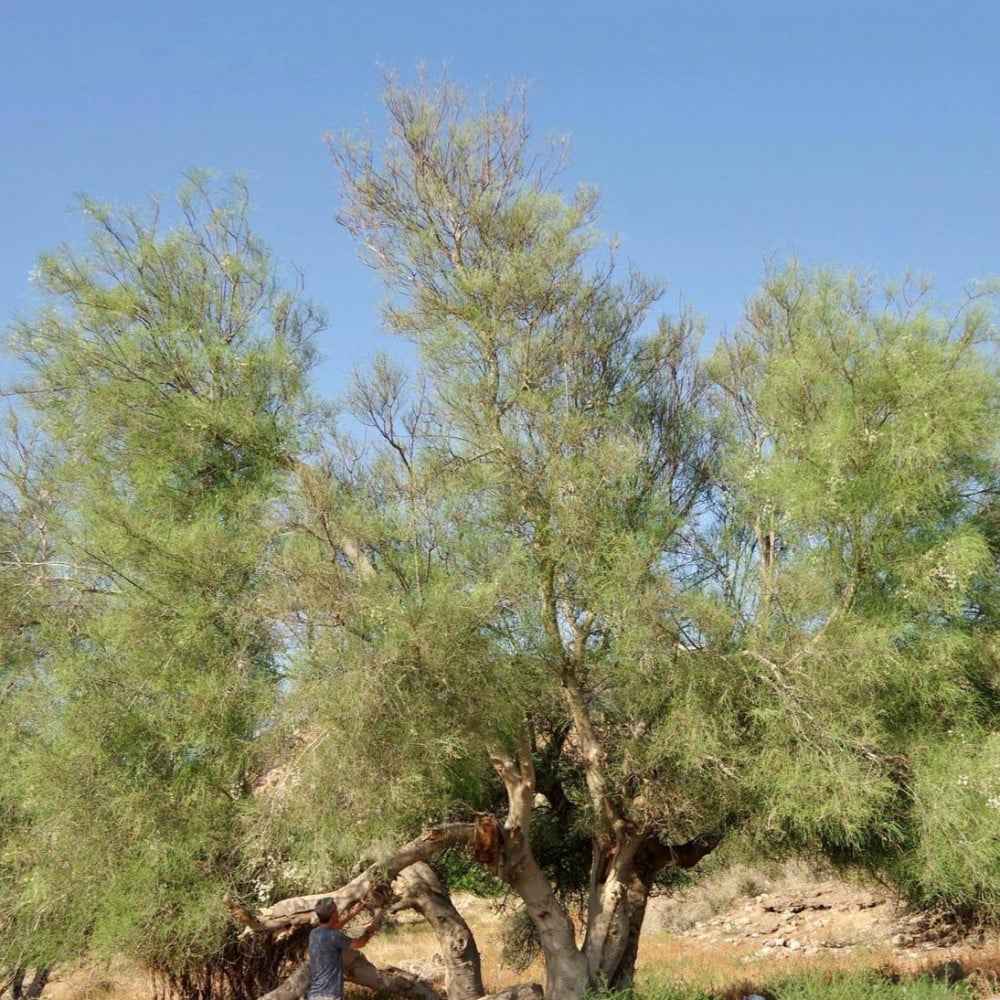
The Moringa tree possesses extraordinary nutritional and health benefits and has been extensively cultivated in Jordan.
Benefits for All Tables
Moringa is rich in proteins, vitamins, and minerals, making it a staple in nutrition programs in India and Africa to combat malnutrition. Additionally, Moringa has various other uses, such as animal feed production, soil fertilizer, and water purification. It is also utilized in the health and beauty industry for disease prevention and treatment. Moringa is processed into powder, tea, and oil extracts, which find applications in personal care products like shampoos, soaps, supplements, and more.
Moringa trees are valuable resources in many regions, earning them the title of Crop of the Month by the Food and Agriculture Organization (FAO) in early 2018. According to the FAO, Moringa leaves are rich in protein, vitamins A, B, C, and minerals, recommended for breastfeeding mothers and young children.
The Moringa products act as natural antibiotics, antifungal agents, blood pressure regulators, anti-spasmodic, anti-ulcer, anti-inflammatory agents, helpful in reducing cholesterol and blood sugar levels. All parts of the tree are edible, containing 15 types of vitamins, minerals, and amino acids.
Environmental Sustainability
Moringa naturally grows in Jordan, especially in the climate and soil conditions of the Jordan Valley. It grows fully in four to five months, requiring minimal water. After harvesting its fruits, there’s no need to cut down the tree, contributing to environmental sustainability, water conservation, and combating deforestation.
Moringa extracts can be used as a natural water clarifier, removing impurities and algae. These extracts are employed in purifying irrigation water, reducing water consumption, sustaining soil quality, and promoting tree and crop growth. They strengthen plant resistance to pests and diseases, reducing the need for pesticides and herbicides.
Project Adapt-A-Moringa-Tree
The Adapt-A-Moringa-Tree project aims to empower Jordan by introducing a new type of tourism, specifically rural and agricultural tourism. Women in the Adapt-A-Moringa-Tree project undergo training in economic empowerment, rural and agricultural tourism, food preparation and presentation, and marketing.
Women are trained in an expansive Moringa farm on tasks such as planting and harvesting Moringa leaves and seeds, processing and packaging various Moringa products, preparing Moringa dishes, managing Moringa stores and cafes, marketing and selling products online and locally in Jordan, and reaching global markets. The project also involves creating school or home gardens to provide additional income by selling surplus crops. The Adapt-A-Moringa-Tree project will strengthen the community’s connection to their land, provide employment opportunities for women and youth, introduce farmers to new markets, encourage diversification of crops, adopt modern farming techniques, and improve the health and well-being of families in Jordan.
How Can You Contribute and Participate?
Everyone, from students to nutrition specialists, pharmacists, doctors, tourists, and others, can visit the Moringa farm to learn more about Moringa trees, participate in tree planting, and contribute to Moringa dish preparation.