

Digital Twin Cardiology
[INTRO MUSIC]
HOST: Welcome back to the NetBookLM vodcast, where we explore the cutting edge of science and technology. I’m your host, and today, we’re diving into the fascinating world of digital twins, specifically, their application in revolutionizing cardiovascular care.
To guide us through this complex and exciting landscape, we have a special guest joining us today. They’re an expert in computational modeling and have been working on developing digital twins for personalized medicine. Welcome to the show!
GUEST: Thank you for having me. It’s a pleasure to be here.
HOST: So, let’s start with the basics. Can you explain to our listeners what a digital twin is and how it’s being used in healthcare?
GUEST: Absolutely. In the simplest terms, a digital twin is a virtual representation of a physical object or system. This representation can be incredibly detailed, incorporating real-time data to mirror the state and behavior of its physical counterpart. While digital twins have been used for years in industries like manufacturing and aerospace, their application in healthcare is relatively new and incredibly exciting.
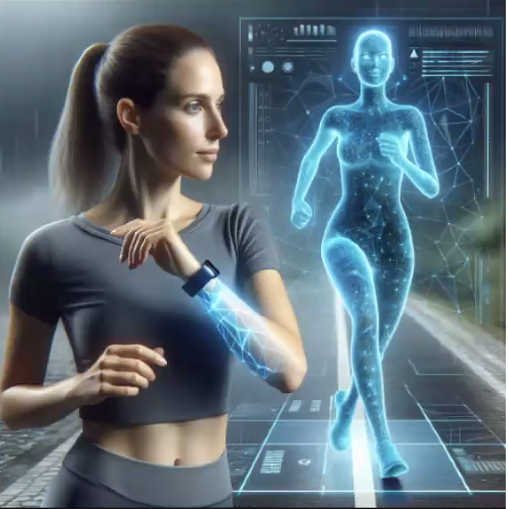
Think of it this way: Imagine having a virtual replica of your heart, constantly updated with data from your wearable devices, medical records, and even genetic information. This digital twin could then be used by doctors to simulate different scenarios, predict potential health risks, and personalize treatment plans.
HOST: That sounds like something out of science fiction! Is this really possible with today’s technology?
GUEST: It’s becoming increasingly possible, thanks to advances in computational power, artificial intelligence, and data collection methods. We’re seeing this play out in the field of cardiovascular care, where researchers are developing digital twins to understand and treat conditions like stenosis, which is the narrowing of blood vessels.
HOST: Stenosis? That’s a serious condition. How are digital twins helping in this area?
GUEST: Stenosis is a major contributor to heart attacks and strokes. Traditionally, diagnosing stenosis involved invasive procedures like cardiac catheterizations. But with digital twins, we can simulate blood flow in a patient’s arteries using data from non-invasive imaging techniques like CT scans. This allows doctors to assess the severity of the stenosis and determine the best course of treatment, potentially avoiding unnecessary procedures.
HOST: So, instead of physically going in with a guide wire, doctors can use a digital twin to measure the pressure differences in the arteries, just like Amanda Randles described in one of the sources you shared. That’s incredible!
GUEST: Exactly. And we’re seeing this being used in clinical settings already. It’s an exciting development because it makes the diagnostic process less invasive and potentially more accurate. But the potential of digital twins goes far beyond diagnosis.
HOST: Okay, I’m on the edge of my seat here. Tell me more!
GUEST: Imagine a world where your doctor could not only diagnose stenosis but also use your digital twin to predict how your condition might progress over time. They could simulate the effects of different medications, lifestyle changes, or even procedures like stent placement, all within the digital twin, to determine the most effective and personalized treatment plan for you.
HOST: Wow, that’s taking personalized medicine to a whole new level!
GUEST: It is. And it’s made possible by the ability to incorporate real-time data from wearable devices into the digital twin. Your heart rate, activity levels, even your sleep patterns can be fed into the model, making it a constantly evolving reflection of your cardiovascular health.
HOST: You mentioned something called the Longitudinal Hemodynamic Mapping Framework, or LHMF, in our earlier conversation. Can you explain what that is and how it plays into all of this?
GUEST: LHMF is a groundbreaking computational framework that allows us to simulate blood flow over much longer periods than traditional models. Think months or even years of continuous heartbeats, rather than just a few seconds. This is crucial for understanding how cardiovascular conditions develop and progress over time.
HOST: That seems like a computationally demanding task! How is that even possible?
GUEST: It’s challenging, indeed. LHMF uses advanced techniques like the Discontinuous Galerkin method and Kalman filtering, along with the power of high-performance computing, to handle the massive amounts of data and complex calculations involved.
HOST: So, this LHMF is key to unlocking the true potential of digital twins for cardiovascular care. It allows us to move beyond snapshots in time and create a continuous, dynamic representation of a patient’s heart and blood vessels.
GUEST: Exactly. It’s like having a film of your cardiovascular system playing out over time, rather than just a series of still photos. This level of detail is critical for identifying subtle changes and predicting potential problems before they become serious.
HOST: This is revolutionary stuff! What are some of the specific applications of digital twins powered by LHMF in cardiology?
GUEST: We’re seeing applications in:
- Early Disease Detection: By continuously monitoring hemodynamic parameters like wall shear stress, digital twins can identify subtle changes in blood flow that might indicate the early stages of conditions like atherosclerosis, even before symptoms appear.
- Personalized Treatment Planning: Doctors can use digital twins to simulate the effects of different treatments, such as medication adjustments, lifestyle changes, or stent placement, to tailor a plan that’s most likely to be effective for an individual patient.
- Risk Stratification: Digital twins can help identify patients who are at higher risk of developing cardiovascular problems, allowing for more proactive monitoring and intervention.
- Virtual Stent Placement: Simulating stent placement in a digital twin can help optimize the procedure, ensuring the best possible outcome for the patient.
- Drug Development: Pharmaceutical companies can use digital twins to test the effectiveness of new drugs and therapies, potentially accelerating the development process.
HOST: You painted a very optimistic picture of the future of healthcare. But I have to ask, are there any challenges or limitations we need to consider?
GUEST: Absolutely. Several challenges need to be addressed before digital twins become a standard part of cardiovascular care. These include:
- Computational Resources: Simulating blood flow at such high fidelity requires significant computational power, which can be expensive and time-consuming. However, researchers are working on developing more efficient algorithms and leveraging cloud computing to make these simulations more accessible.
- Data Integration: Combining data from various sources, such as wearable devices, imaging scans, and electronic health records, can be complex. Ensuring data accuracy and consistency is crucial.
- Validation and Verification: Rigorously validating and verifying these models is essential to ensure their accuracy and reliability in clinical settings.
- Ethical Considerations: As with any technology that handles sensitive patient data, privacy and security are paramount concerns. Developing robust security protocols and addressing potential biases in algorithms are crucial.
HOST: Those are all important points. It’s clear that while the potential of digital twins is enormous, there’s still work to be done to overcome these challenges.
GUEST: That’s right. But the progress being made is remarkable. We’re seeing innovations in areas like:
- High-Performance Computing (HPC): HPC is crucial for handling the complex calculations involved in digital twin simulations. Advancements in HPC hardware and software are making these simulations faster and more efficient.
- Cloud Computing: Cloud-based platforms are making HPC resources more accessible and affordable, allowing researchers and clinicians to run complex simulations without needing expensive on-premise infrastructure.
- Wearable Technology: The increasing sophistication and affordability of wearable devices are providing a wealth of real-time data that can be integrated into digital twins, making them more dynamic and personalized.
- Virtual Reality (VR): VR is being used to visualize and interact with digital twins, providing clinicians with an immersive way to understand a patient’s cardiovascular system and plan treatments.
HOST: So, the future of cardiovascular care is looking very bright! Digital twins have the potential to transform how we diagnose, treat, and manage heart conditions, leading to more personalized and proactive care.
GUEST: I completely agree. It’s an exciting time to be working in this field. By combining the power of advanced computing, data science, and medical expertise, we’re on the cusp of a new era in healthcare.
HOST: Well, we’ll certainly be following this space closely. Thank you so much for joining us today and sharing your insights on this fascinating topic.
GUEST: It was my pleasure. Thank you for having me.
[OUTRO MUSIC]
HOST: That’s it for this episode of the NetBookLM vodcast. We hope you enjoyed our exploration of digital twins and their potential to revolutionize cardiovascular care. Be sure to check out our show notes for links to the research we discussed today, and stay tuned for more exciting episodes on the latest in science and technology.